
I had banks but no floodplain
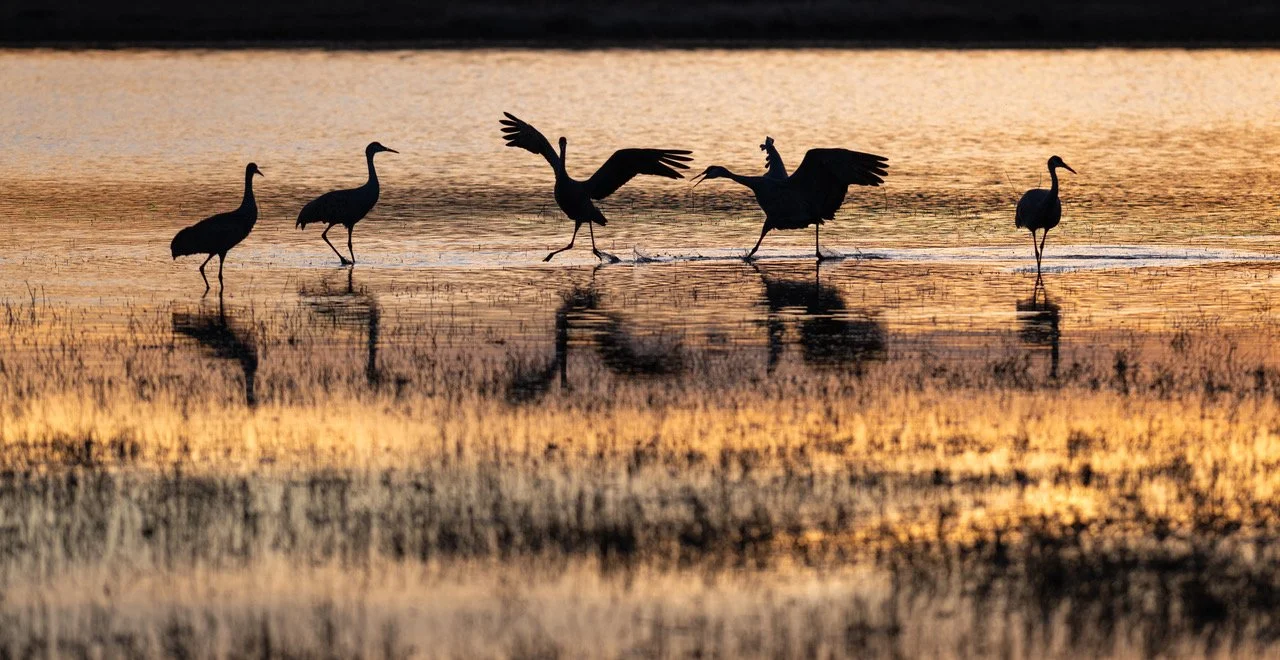
Photo: Candy Sayles Brad
“Rivers are easily wounded, but given a chance they heal themselves with remarkable speed. Their life pours back.”
— Robert Macfarlane, Is a River Alive?
There will be floods in the river of your life
When was the last time you felt emotionally dysregulated? I know how easily I can become dysregulated — overwhelmed, angry, anxious, sad — simply by listening to the news.
I wish I had understood more about emotional regulation when I began teaching high school, fresh out of college. It would have helped me stay grounded while managing heavy class loads, mountains of grading, and constant challenges from parents and administrators. After 15 years in a job I loved, I resigned, emotionally exhausted and no longer able to find my footing.
I had no floodplain. Only banks.
Banks are necessary. They give a river shape and direction. But when the waters rise, a river also needs somewhere to overflow. We are often taught to hold our emotions in, to build our banks higher and stronger. Yet the water still moves. With nowhere else to go, it moves faster and hits harder.
When your chest tightens and your breath shortens, the water is already rising. Your ability to reason and gain perspective narrows. The body knows before the mind catches up.
This is not weakness. It's intelligence older than language: the same instinct that once told your ancestors to run before they understood why. Your body remembers what overflow feels like, even when your mind is still insisting the banks will hold.
And when the water does break through, it isn't only ruin. What it carries settles.
A floodplain is old land, laid down flood by flood, deposit by deposit. Its sediment arrived because the water once broke its banks. Over time, this ground becomes fertile. Roots take hold and reeds grow, slowing and softening the force of the water when the next flood arrives.
It takes time to develop a floodplain that can receive the rising waters.
Within the floodplain, backswamps form, places where water can linger instead of rushing downstream. Grief, anger, and fear may need such places too, somewhere to remain long enough to be felt and processed.
The floodplain holds water for a time, then gradually releases it until the river returns to its channel. In my own life, I have developed practices of release and return. They strengthen my resilience, soften emotional triggers, and prepare me for the next flood.
We can approach emotional regulation through the body, the brain, or the heart.
The body remembers what the mind forgets. Movement and breath become the roots and reeds of your emotional floodplain. They slow the current giving rising emotions room to spread.
The brain helps us understand what is happening. We can name the emotion and pause before reacting. In this way we create space between feeling and response.
The heart has its own rhythm to offer. Slow, steady breathing can settle an erratic current and ease your heart's own variability into a calmer rhythm.
Each approach offers accessible practices that allow us to feel the flood of emotion, honor it, and release it with attention and care.
A dammed river may appear calm, controlled, unchanging. But it is poorer for it. Fewer fish. Fewer birds. Less life, held at bay along with the water. A river with a healthy pulse rises and falls, floods and recedes. This rhythm keeps it fertile.
We were never meant to run at one steady level. We were meant to rise, to empty our banks onto ground built to receive us, and to recede again.
There will be floods in the river of our lives.
This is normal. This is human.
May you trust the ground that has grown to receive you.
Ritual Practice
Cultivate Your Floodplain
The floodplain is not simply something we have. It is something we cultivate.
A floodplain does not resist the flood. It makes room for it. The water spreads wide, slows, and leaves behind silt, seed, and sediment to nourish what grows next.
Journaling can work in much the same way. When anger, fear, or grief rises too fast, it floods your banks. Your body clenches, your mind goes blank, and your emotions take over.
Putting pen to paper slows the current. It gives the flood somewhere to go besides straight through you. Each sentence widens the ground: language draws the wordless ache into shape, thought meets feeling, and the present reaches back to touch the past and find a way forward.
It takes practice to expand your floodplain. What once overwhelmed you can begin to find room to spread and settle, rather than sweep you under.
Journal Prompts
Deposit — Memory is a great resource. Recall a time when you were overtaken by emotion. Write it down exactly as it comes, without shaping it into a tidy story: This happened and I felt… Then this happened and I felt… Don’t spruce it up. Simply follow the sequence of action and emotion. When you finish, notice what has been deposited. What remains now that the emotions are on the page?
Backswamp — Where in your life do you feel something pooling? Are you worried, fearful, or anxious without an outlet? Write directly to that stagnant emotion. Ask what it needs in order to move.
Journaling is one way to cultivate a wider floodplain. Another is to become more aware of what is happening within us as our emotional waters begin to rise.
Daniel J. Siegel, MD, pioneered the field of interpersonal neurobiology. The “Window of Tolerance” describes the range in which we can experience and manage emotion without moving into hyper-arousal (fight, flight, anxiety, flooding) or hypo-arousal (freeze, numbness, disconnection).
Siegel’s work offers practices for expanding our capacity to meet stressful experiences with greater resilience. He calls this integration. I think of it as cultivating my floodplain.
Name It to Tame It
Putting feelings into words can help reduce emotional reactivity. Rather than being swept away by an emotion, we begin to observe and name what is happening within us.
Step 1: Set three alarms on your mobile phone at different times of the day.
Step 2: When one goes off, pause and notice what emotion you are experiencing without judging it. Be specific. Tired, hungry, or stuck may describe your state, but they are not emotions.
Use the Feelings Wheel to find your core emotion, then explore the emotions in that same family until you find the best fit. Build your emotional vocabulary.
Step 3: If two emotions are true at once, name both. The more precisely you can identify what you are feeling, the more space you create between the emotion and your response.
Naming an emotion helps us notice what is happening. Siegel’s “Wheel of Awareness” expands that attention to the larger landscape of our experience.
Wheel of Awareness
Siegel developed the Wheel of Awareness guided meditationusing the image of a wheel. At its center is a hub of awareness. A spoke directs our attention to the outer rim of the wheel which indicates our senses, bodily sensations, mental activity, and connection with others. Again and again, we return to the hub, a place from which we can observe our experience without being swept away by it.
The floodplain is not something we arrive at. It is something we keep cultivating, season after season, flood after flood.
Resources & Inspirations

Memories, Magic & Marigolds:
Your Complete Guide to Celebrating
the Day of the Dead
by Kitty Edwards
Have you wanted to celebrate Día de los Muertos but weren’t sure how to begin?
This beloved Mexican tradition honors and remembers those who came before us, welcoming their spirits home on November 1 and 2. This year I invite you to honor your ancestors with an altar, marigolds, sugar skulls, favorite foods, stories, and celebration.
Discover how to create a meaningful Day of the Dead celebration of your own.
Don’t wait. Start planning now.