Entering the River of Your Life
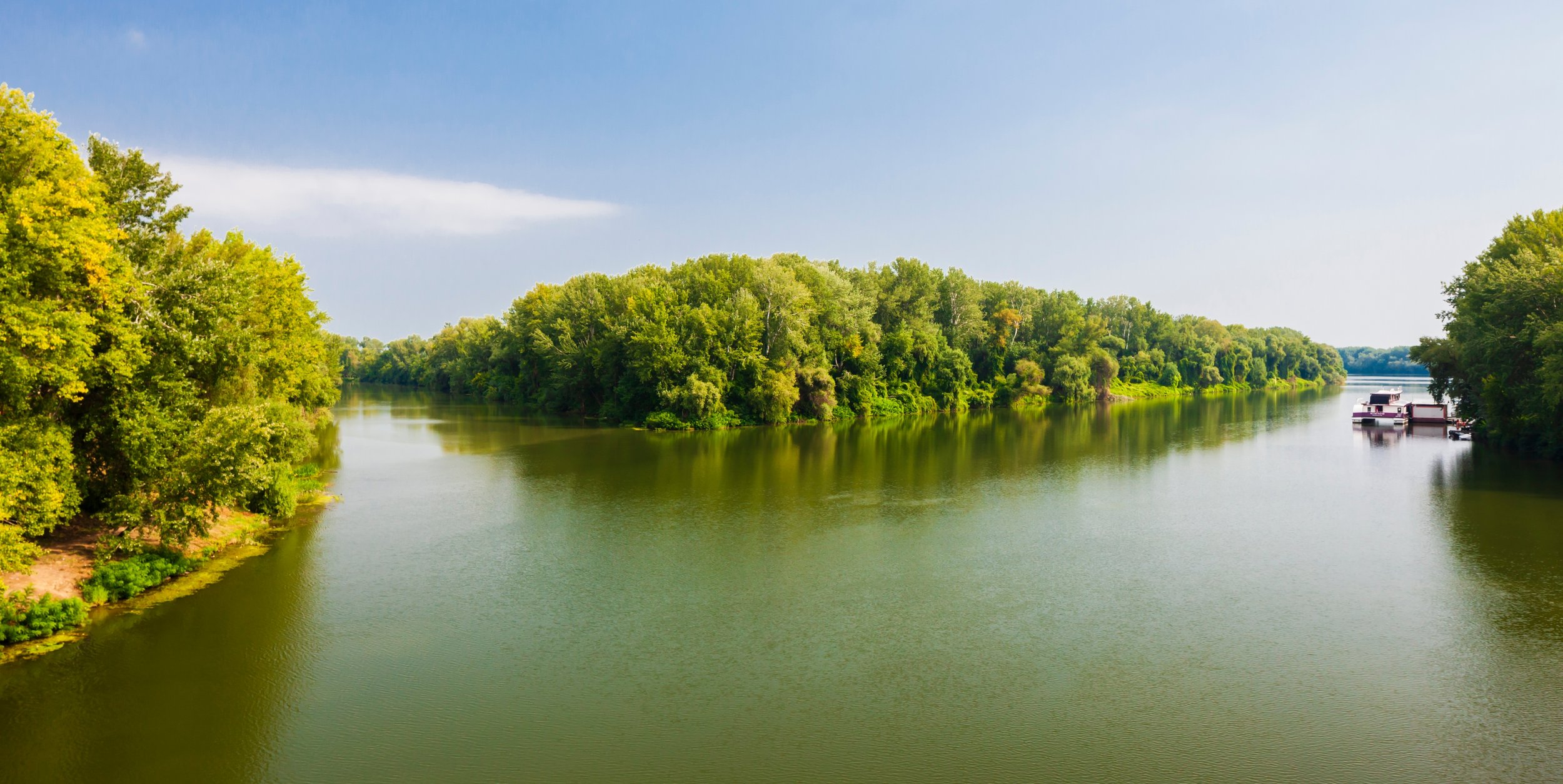
“It began in mystery and it will end in mystery, but what a savage and beautiful country lies in between.”
— Diane Ackerman, A Natural History of the Senses
A Life Review — Metaphor, Memory, and Meaning
Are you ready to step into the waters of your river of life? There is nothing to figure out, only a willingness to listen.
Life, like a river, reveals its character through stages of flow. As you follow your river through headwaters, confluences, rapids, waterfalls, and quiet eddies, you may see how your inner landscape has been shaped by choice, love, loss, and time.
Metaphor is the language of the unconscious. It does not explain our lives so much as reveal their currents. When you imagine your life as a river, you step beyond chronology and into a deeper way of knowing. Images carry what has been lived beneath the surface, allowing moments, relationships, and choices to surface, showing how they have joined, diverted, or deepened the flow of your life.
Engaging in a life review becomes a ceremony of sorting, integrating, honoring, and, at times, releasing the stories that have shaped you. At any stage of life, this reflective journey can be deeply therapeutic. Research suggests that when we turn toward our own stories with care and curiosity, we not only deepen understanding, but also increase our sense of well-being.
Over the coming months, I invite you to reflect on the many elements of your river of life.
Each feature of the river holds both beauty and challenge. None are mistakes; all belong. Together, we will explore:
Confluences: The places where two currents merge into significant relationships that shape the flow of your life. This might include partners, parents, siblings, children, mentors, and friends.
Bends and meanders: Your river wanders as you explore different directions, experimenting with identity, relationships, or work.
Rapids and cascades: These intense and turbulent passages, full of vital energy, demand resilience and often bring profound transformation.
Waterfalls: Points of no return or endings that arrive through force rather than choice. This is where the river must surrender before finding its current again. These endings are not failures of navigation, but thresholds of becoming.
Headwaters: Your river begins as a spring, glacier, or small mountain stream. It is tentative at first, yet steadily finds its way, nourished by the tributaries of ancestry, family, and early experience.
Floodplains: Your river widens and creates fertile ground for others, reflecting the legacies, lessons, and contributions you offer to your community.
There is no need to map your entire river at once. Simply notice where you are standing today and allow the river to reveal its story one bend at a time. This is not a project to complete, but a relationship to cultivate.
Trust the current. You are already on your way.
Ritual Practice
The River of Life: Confluences
A confluence is a place where two rivers meet and move forward together. After the meeting, the waters are forever changed. Confluences remind us that we are shaped in relationship and that our lives, too, have altered the waters of others.
In the river of your life, confluences are the significant relationships that shape your direction and depth. Some confluences are brief and catalytic; others last a lifetime. Some bring nourishment and expansion; others bring turbulence or loss. None are neutral.
You are invited to move slowly and with kindness toward yourself. Set aside judgment and invite curiosity as you begin. There is no need to trace every relationship at once. Simply notice one meeting point that still influences your current, and allow the river to reveal its story.
Over the next month, continue your journaling ritual in which you write regularly about your river of life. Choose the questions that resonate; leave the rest for another time.
Take a moment to notice how your river flows now.
What is the personality of your river?
Is it reflective, intense, complex, or self-renewing?
Is it adventurous or quietly submerged underground?
To investigate the personality of your river, download my new eBook. Inside, you'll discover river types that reflect different personality styles.
Choose one confluence. Begin by selecting one relationship that feels alive in your awareness. This might be a long-standing partnership, a brief but catalytic encounter, or someone whose influence still shapes your inner current. Trust what rises first.
Enter the image. Close your eyes or soften your gaze and imagine two rivers meeting. One river represents you at that time in your life; the other represents the person you encountered.
What was the nature of my current when we met?
What qualities did the other river carry?
Was the meeting calm, turbulent, nourishing, or overwhelming?
Notice what changed. After a confluence, a river cannot return to its former state. Something always changes. Hold complexity with kindness. Most confluences carry both gifts and costs.
What shifted in me because of this meeting?
What did I gain?
What did I lose, release, or outgrow?
Honor the meeting. Conclude by offering a simple gesture of acknowledgment. This is not about reconciliation or closure. It is about recognition.
Write a thank you note to your adjoining river.
Create a small ritual with stone, candle or altar to acknowledge your confluence.
If appropriate, release the adjoining river with grace.
Return to your current. Take a moment to notice where you are in your river now.
How does this past confluence continue to shape your flow?
What wisdom has it left in its wake?
River of Life Resources
Go as a River: A Novel by Shelley Read (2025) Learn more on Amazon
Victoria encounters Wil by chance on a street corner. This confluence profoundly alters both of their young lives, igniting a bond filled with passion and peril. When tragedy strikes, Victoria leaves the only life she has ever known and flees into the surrounding mountains, where she struggles to survive in the wilderness with no clear sense of what the future holds.
This beautiful debut novel is a story of love, strength, and coming into oneself, set amid the forests and rivers of Colorado’s high country. Both tragic and uplifting, it is a tale of love and loss, family and survival, and the enduring power of hope. The story was inspired by the destruction of the town of Iola following the damming of the Gunnison River in the mid-1960s.
Memorial Days: A Memoir by Geraldine Brooks (2025) Learn more on Amazon
It took three years for Geraldine Brooks to set aside her duties and responsibilities and finally grieve the sudden death of her husband, Tony Horwitz. This memoir bears witness to the hard work of grief, the sorting through memories, regrets, and questions that can no longer be answered.
Isolated in a small shack on the rugged coast of Tasmania, Brooks often went days without seeing another person. There, she reflected on nature, history, and the many ways cultures grieve, discovering rituals of her own that helped her rebuild a life around the void left by Tony’s death.
To the River: A Journey Beneath the Surface by Olivia Laing (2017) Learn more on Amazon
In this beautifully lyrical book, Olivia Laing captures the character and presence of the River Ouse, where Virginia Woolf drowned in 1941. Over the course of a week, Laing walks from the river’s headwaters to the sea. Along the way, she explores the role rivers have played in the evolution of human life, weaving history, geology, literature, and the natural world into her unfolding story of the river.
Standing confidently within the family of “river writers,” Olivia Laing draws on the work of many colleagues, especially Virginia Woolf. She evokes the river’s movement through time and space, attentive to the creativity that stirs just beneath the surface. The result is a reflective meditation on all that rivers witness as they meander through our inner lives and collective psychology.
Golden Oldies
A River Runs through It and Other Stories by Norman Maclean (Original 1989, reissued 2017) Learn more on Amazon
“I am haunted by waters.” The final sentence in this novel has inspired writers throughout the world who find the river a metaphor for life. Maclean’s love of Montana and the Big Blackfoot River illuminates this classic American novel. The river serves as an emotional, moral and spiritual core of the story in which family bonds are forged, skills are tested, and moments of grace are glimpsed through the art of fly fishing.
This new, elegantly designed edition includes a foreword by Robert Redford, director of the award-winning film adaptation of the novel. Redford’s love of rivers was confirmed when he told his daughter, “If I disappear, look for me in moving waters.”