When the River of Life Turns to Rapids
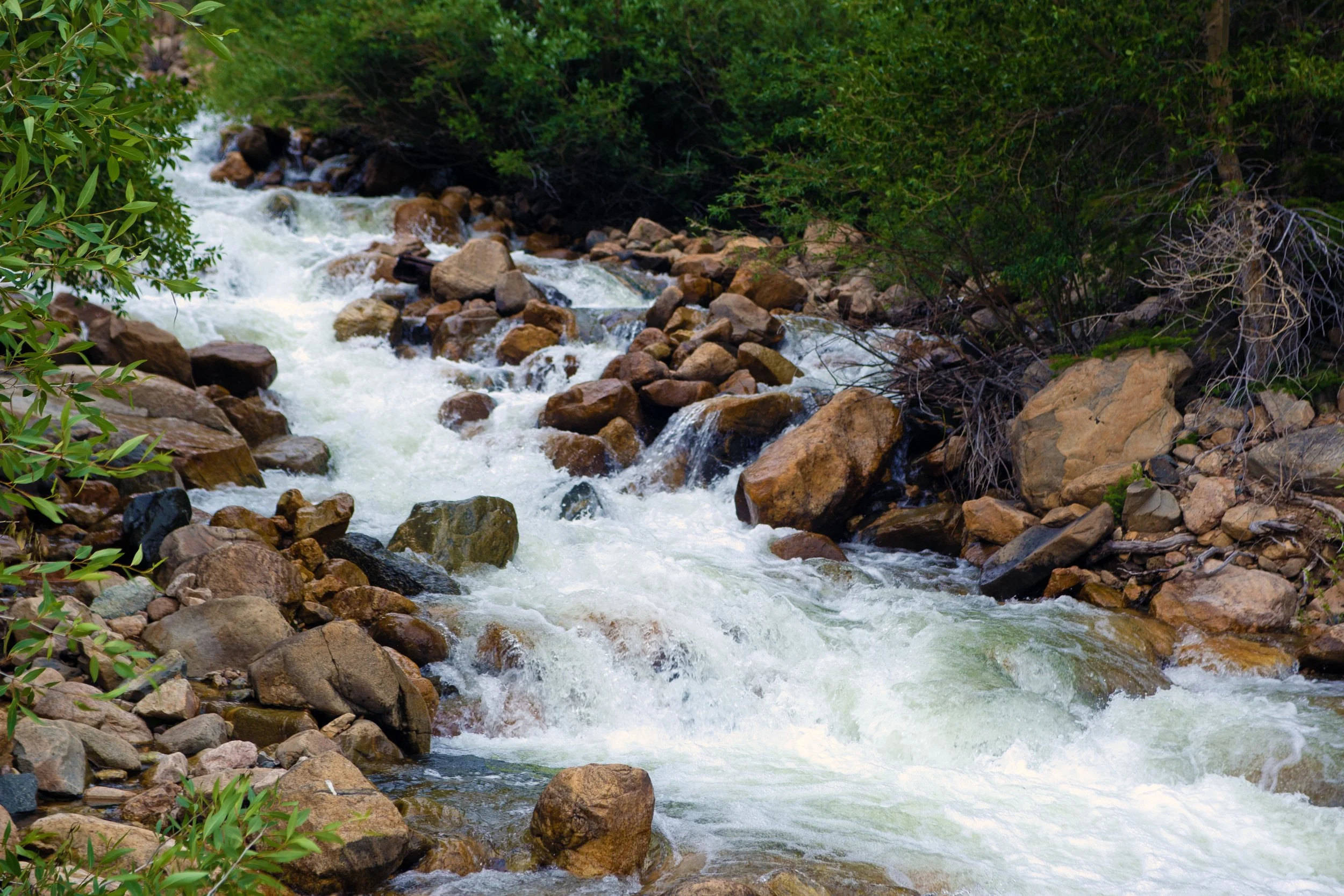
“The river has taught me to listen; you will learn from it, too.”
— Herman Hesse, Siddharta
A Life Review — Navigating the Rapids of Life
Spring brings a dramatic shift to the life of our rivers. As mountain snow begins to melt, a steady surge of water flows into river systems, often creating the strongest currents of the year. Unlike a sudden flash flood, this runoff builds slowly and can last for weeks.
During this time, the river gathers strength, reshaping its banks, moving stones, and carving new pathways through the landscape. In spring, the river has time to do its most powerful work.
In calm stretches of the river, we drift, reflect, and steer gently. But in rapids everything accelerates. We must respond quickly. These are the moments when life begins moving faster than our ability to fully understand it.
Rapids often appear during times of transition:
sudden loss or death
illness or caregiving crises
divorce or relationship upheaval
unexpected opportunity or change
financial stress or relocation
Many years ago, I ran rivers in the southeastern United States, and the Chattooga River was my favorite. It is rough, wild, and unforgettable. Rising in the Whiteside Mountain watershed of North Carolina, it drops 2,469 feet before reaching Tugaloo Lake, making it one of the region’s finest whitewater rivers.
On the Chattooga, some rapids are so dangerous that we had to portage around them. In life, however, we are not always given the chance to avoid the most turbulent waters.
We can learn to navigate the rapids in our lives.
Running rapids skillfully begins with learning to read the water. Guides often look for the soft “V” where the current slips between obstacles, a tongue of smoother water that suggests the clearest path through.
The safest route is not always straight down the middle. Sometimes it means moving closer to one bank or choosing a wider path that appears longer but avoids the roughest water. At other times, the best choice is to trust the current and let its momentum carry you forward.
What matters most is paying attention to the water ahead, staying flexible, and making small, steady adjustments along the way. In rapids, careful awareness matters far more than force.
And just as important, rapids do not last forever.
Eventually the river widens, the slope softens, or the channel deepens enough that the rocks no longer disturb the flow. The water that once rushed white and frothy settles again into quiet pools and gentler currents.
The rocks may still be there. They do not disappear. But the river slowly finds its way around them, carving new channels or gaining enough depth that what once created turbulence now barely stirs the surface.
The rapids in our lives can feel overwhelming while we are inside them. The water churns, the noise is loud, and it is difficult to see the path ahead. Yet these turbulent stretches often reshape the river of our lives in ways we only understand later.
This month, I invite you to reflect on the rapids you have encountered in your own river. What did they change? What did they carry away? What new channels have opened?
Ritual Practice
Your River of Life: In the Heart of the Rapids
Take a few quiet moments to reflect on the rapids in your own River of Life. You might want to sit with a cup of tea, step outside, or simply pause long enough to let memories rise naturally.
As you consider the questions below, be patient with yourself. Rapids are intense passages in any river. They reshape the landscape, move old stones, and sometimes leave us changed in ways we only understand much later.
Let these reflections come softly, noticing what the rapids in your life have carried away and what they have helped reveal.
The most meaningful journaling often comes not from answering quickly, but from sitting with a question for a while and letting your answer gently unfold. Your first response may simply be the easiest one to reach. If you give the question a little more time, a deeper insight may emerge, often quieter, and sometimes unexpected.
Not every question will feel important. Choose the ones that invite you to dive deeper, beneath the surface.
Entering the Rapids
When did you first sense that the waters of your life were changing? What were the early signs that a more turbulent stretch was ahead?
What did you carry with you into this difficult time that you hoped would help you navigate it? In what ways did it support you, and in what ways did it fall short?
Who was in the boat with you during this season? Who offered support, and who did you wish could have been there?
In the Heart of the Whitewater
Where did you find yourself struggling against the current, and where did you eventually learn to move with it? What helped that shift happen?
What part of yourself revealed itself in the midst of the chaos? Perhaps you discovered a strength you didn’t know you possessed, or a truth you had to acknowledge.
What did you have to release simply to stay afloat: a belief, a plan, an expectation, or an old sense of who you were?
What Was Broken? What Was Shaped?
Is there something you feel you lost in those rapids that you have searched for ever since? What might it feel like to gently set that search aside?
Did this experience change the story you once told about yourself? If so, how has the story evolved?
Did you forgive others or yourself to help you continue moving forward?
What You Carried Out
What did this turbulent passage teach you about yourself?
After the rapids, what became simpler in your life? What quietly fell away?
What strength or quality within you was shaped by that experience? Do you now recognize it as part of your deeper resilience?
Take your time with these reflections. The river continues to move long after the rapids have passed, carrying forward everything you have learned along the way.
Resources & Inspirations
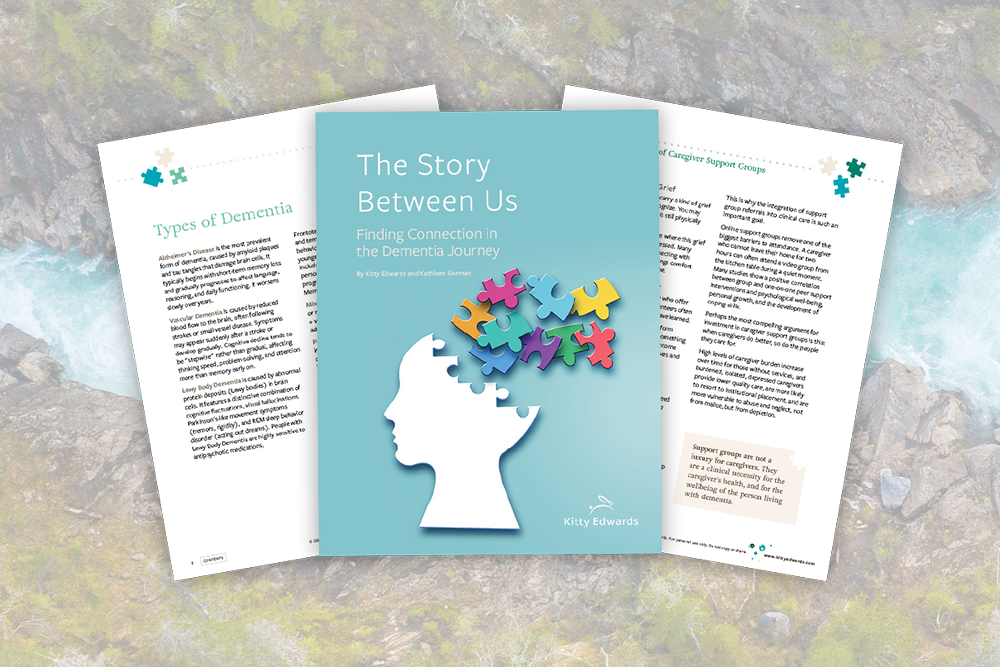
The Story Between Us: Finding Connection in the Dementia Journey by Kitty Edwards and Kathleen Gorman
When memory changes and words begin to fade, connection is still possible. The Story Between Us offers caregivers practical tools and gentle insights for staying in relationship with those living with dementia.
Drawing on neuroscience, lived experience, and heartfelt stories, this guide explores life story books, music, imagination, sensory engagement, and the quiet power of presence.
Rather than focusing on what is lost, it invites readers to discover what remains: emotional attunement, shared rhythm, and the deep human need to feel seen and safe.
This compassionate guide is offered as a free gift to those who walk beside someone living with dementia.